
Creating Meaningful Work: How to Stand Out as an Artist in 2026
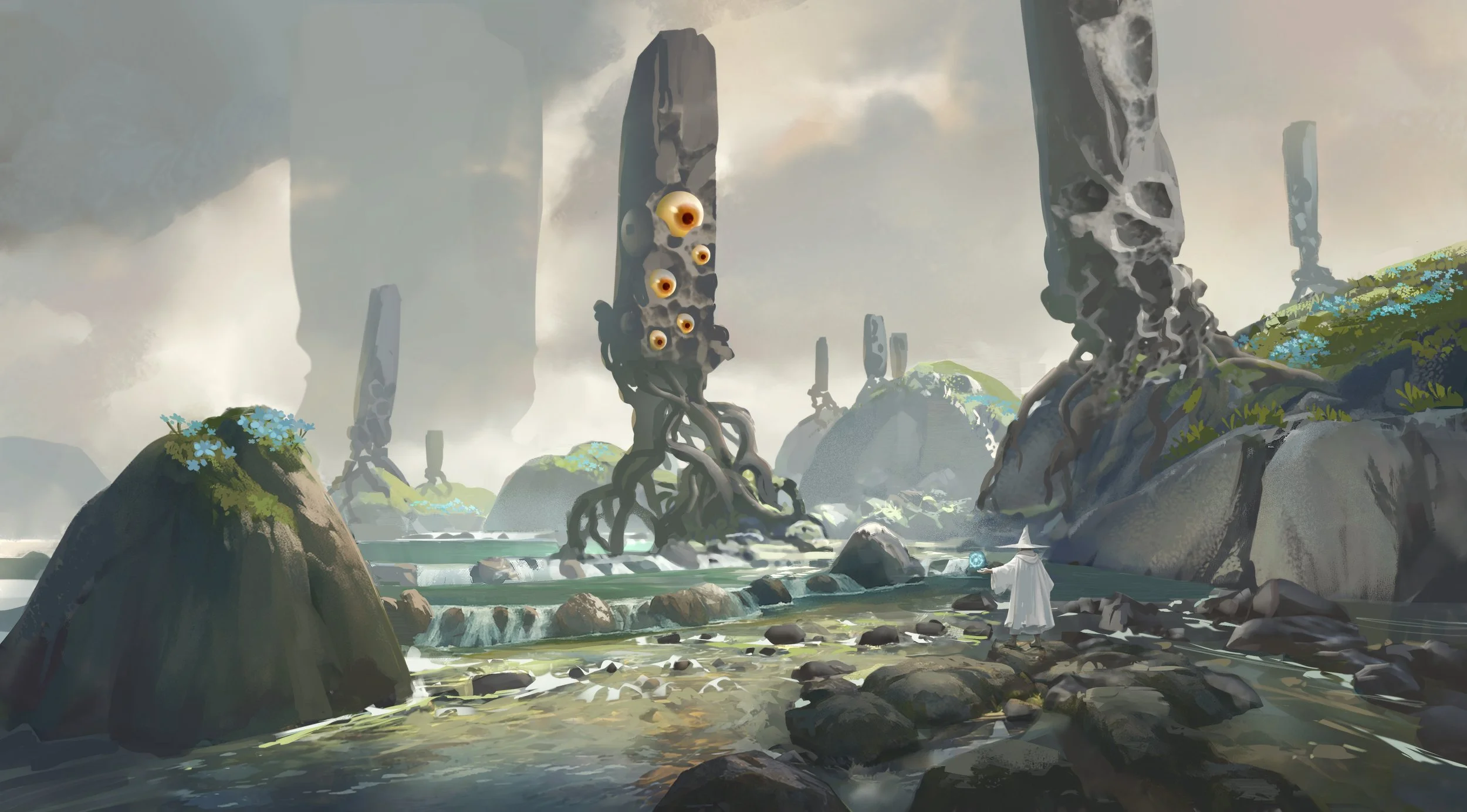
“Is there anything you’ve found that makes an artist stand out when looking at their portfolio?”
“When should I stop grinding fundamentals—and what comes next?”
“How do I get noticed as a young artist?”
These are the kinds of questions I hear all the time from aspiring creatives. And while my answers have evolved over the years, one theme continues to grow stronger in my mind: the artists who stand out today are the ones who bring something personal and original to their work.
In this post, I’ll share how you can make your art meaningful, develop a memorable portfolio, and find creative purpose beyond technical skill.
📌 Why Creativity and Personal Voice Matter More Than Ever
There was a time when I was heavily focused on raw technical skill—and I still deeply respect it. But with the rise of AI art, 3D model libraries, and visual trends dominating platforms like ArtStation, the landscape has changed. We’re all consuming similar aesthetics and techniques. The result? It’s harder than ever to stand out.
That’s why I now gravitate toward portfolios that reflect a unique point of view—work that reveals the artist’s interests, imagination, and creativity. A polished cinematic keyframe doesn’t hold the same impact if it looks like 100 others.
🔧 The 3 Core Elements of a Strong Portfolio
If I had to boil it down, I’d say this:
✅ Technical Skill – The ability to execute confidently
✅ Process – Showing your thinking and iteration
✅ Interests – The spark that makes it yours
Of these, I want to focus on the last one: interest. This is the often-missing element that leads to creativity, originality, and voice.

At Brush Sauce Academy we help students regardless of their portfolio needs, whether that’s characters, or environments
contact us here if you need help
✍️ Why Sketching Is More Powerful Than You Think
One of the best ways to explore personal ideas is through sketching.
I’ll admit: I’ve never been the best sketchbooker. But in recent years, I’ve come to appreciate how valuable raw sketches are—not only for ideation, but for showing who you are as an artist.
Sketching helps you:
Build muscle memory and loosen up
Solve creative problems quickly
Experiment without pressure
Connect with clients who want to see idea generation and spontaneity
🎯 Tip: Don’t over-structure your sketching. Let play and curiosity drive it. Some of your best project ideas may start here.
💡 Creativity Stands Out More Than Perfection
Whether you’re applying to a studio or building your own creative brand, the artists who stand out tend to:
Inject fun into their work
Combine skill with clever or emotional ideas
Think beyond execution and into experience
Artists like Dave Rapoza or Jake Parker are great examples—they often remix known properties or experiment fearlessly in public view. Their creativity shines through, not just their polish.

Be the best You!
Heres work from 2025 Brushsauce studio Daniel Reyes
He Took his love for the Popular Zelda series and added his own spin on it!
If you need some free digital tools to get you going be sure to grab our newsletter, and our brushes will be sent it over!
🛠 Examples: Two Paths to Creative Success
My own journey: Working in entertainment, I’ve used a wide range of software, pipelines, and styles. What’s helped me stand out is adaptability and creative thinking, not just skill.
My friend Jess: She thrives as an independent artist, turning her fine art into marketable products—metal prints, pins, charms, puzzles. Her work is authentic, smartly monetized, and always evolving.
🧬 Style Is Great—But Voice Is What Connects
Yes, you should develop a distinct visual style—through shape language, color palette, or rendering technique. But the style alone isn’t enough.
What makes a piece memorable is how it makes someone feel—what story it tells, and how clearly it reflects you.
🗝 How to Be Authentic in a Noisy Art World
This is something I remind my design students often:
Your work doesn’t need to be the most original idea ever, or the most technically flawless. But it does need to be honest.
The hardest part is looking inward instead of just chasing the next goal, trend, or checkbox. Ask yourself:
What kind of scenes or characters would you want to interact with?
What would make that world feel real to you?
What story are you hinting at beneath the surface?
🧠 Actionable Creativity Exercises
Inject your personality into a simple study: Start from reference, then put it away and finish the rest from memory.
Use narrative to enhance your designs: Ask, What’s the story here?—even if it’s subtle.
Visualize your own world: Design places or characters you want to meet or explore.
🎯 Are You Making Work That’s Memorable?
Here’s a challenge:
Think of 3 pieces of art you vividly remember—not your own, but work that stuck with you. Why do you remember them? How did they make you feel? What was personal or emotional about them?
That’s the kind of connection you should aim to create.
And that almost always comes from work that is honest and personal—not trendy or manufactured.
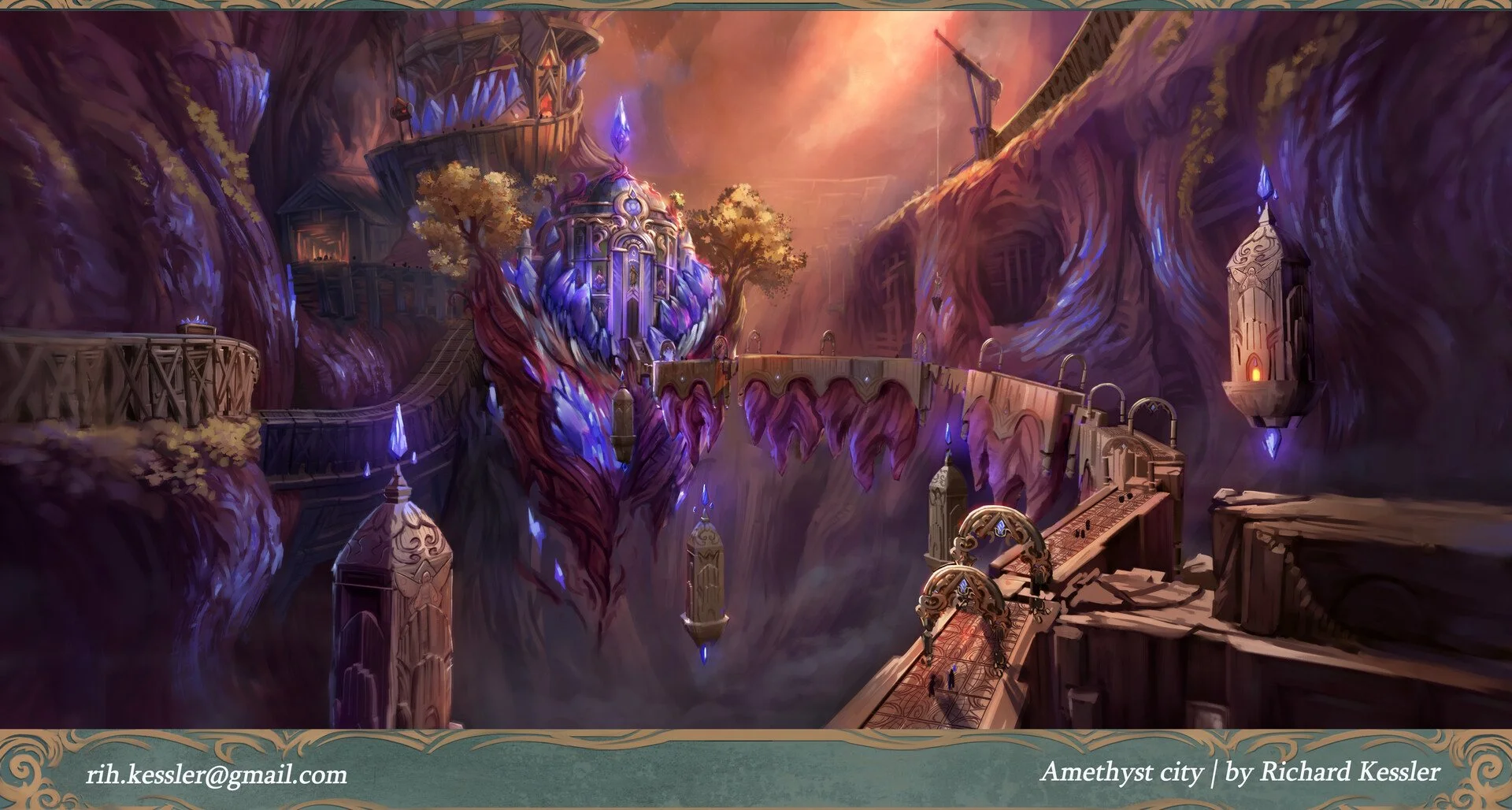
2025 brushsauce student see his work here
🧩 Final Thoughts
The world is full of art. But the pieces that matter—the ones people remember—are the ones that carry meaning. If your work reflects your curiosity, passion, and voice, it will stand out. It might not go viral. But it will last.
So yes, keep building your fundamentals. Learn the tools. Study the masters.
But also—sketch. Play. Reflect. Create something that only you could make.
That’s how you become unforgettable.